


Unveiling the Science of Heat Transfer: Exploring Thermal Conductivity in Aerospace Insulation
Thermal conductivity is a critical factor in aerospace insulation, playing a pivotal role in maintaining optimal temperatures within aircraft and spacecraft. Unlike conventional insulation materials used in buildings, aerospace insulation must withstand extreme conditions, including high altitudes, rapid temperature changes, and intense heat generated during flight. Understanding thermal conductivity is essential for engineers and designers to select the most suitable materials for aerospace applications. The aircraft insulation material must be high of quality!
Thermal conductivity refers to the ability of a material to conduct heat. In aerospace insulation, materials with low thermal conductivity are preferred because they minimize heat transfer between different areas of the aircraft or spacecraft. This helps to regulate temperatures, protect sensitive components, and ensure the comfort and safety of passengers and crew.
One of the primary challenges in aerospace insulation is managing thermal conductivity in environments where temperatures can vary dramatically. During flight, aircraft and spacecraft are subjected to a wide range of temperatures, from frigid cold at high altitudes to scorching heat during reentry. Effective insulation materials must be able to adapt to these fluctuations and maintain consistent temperatures within the vehicle.
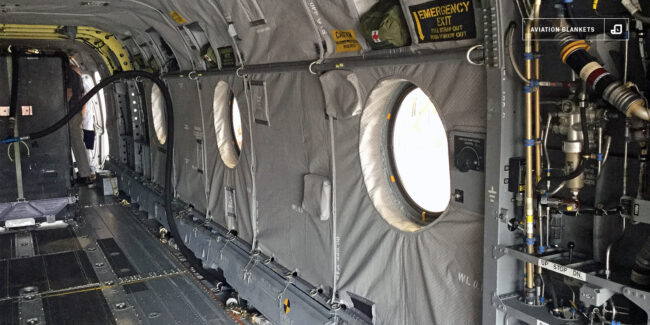
In addition to regulating temperatures, thermal conductivity also plays a crucial role in preventing heat loss or gain from external sources. In space, for example, where there is no atmosphere to dissipate heat, spacecraft must rely on insulation to protect against the extreme cold of outer space. Similarly, in aircraft, insulation materials help to shield the interior from the heat generated by the engines and external environmental factors.
Furthermore, advancements in materials science and technology have led to the development of innovative insulation materials with enhanced thermal conductivity properties. These materials offer improved performance, durability, and efficiency, making them ideal for aerospace applications where reliability and safety are paramount.
In conclusion, thermal conductivity is a fundamental aspect of aerospace insulation that influences the performance, efficiency, and safety of aircraft and spacecraft. By understanding the science behind heat transfer and selecting the appropriate insulation materials, engineers can design aerospace systems that withstand the rigors of flight and ensure the comfort and well-being of passengers and crew. As technology continues to evolve, the quest for innovative insulation solutions with optimal thermal conductivity will remain a priority in the aerospace industry.